
A trusted Islamic reference · knowledge with impact
A trusted Islamic reference platform
Islamic knowledge that brings you closer to the Quran and Sunnah, with space to learn, reflect, and act.
Prayer times
Riyadh, Saudi Arabia
Next
----:--
Main Sections

Featured Ayah
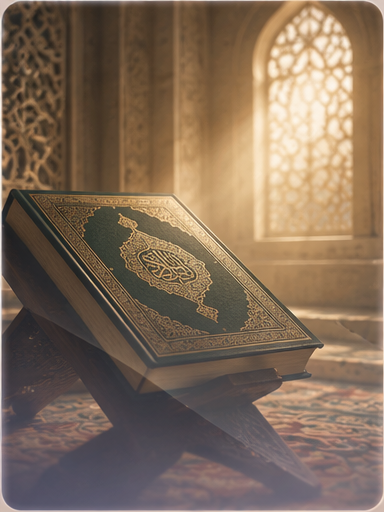
Featured Hadith
Samurah ibn Jundub (may Allah be pleased with him) reported: The Messenger of Allah (may Allah's peace and blessings be upon him) said:"The most beloved speech to Allah are four: subhān Allah (glory be Allah), al-hamdulillāh (praise be to Allah), la ilāha illa Allah (there is no god but Allah), and Allāhu akbar (Allah is the Most Great), and it does not matter which one of them you start with."

- Hadith · benefitsCommentaryGradeTakhrijAnyone loves to meet Allah, Allah loves to meet him; and anyone dislikes to meet Allah, Allah dislikes to meet him‘Ā'ishah (may Allah be pleased with her) reported that the Messenger of Allah (may Allah's peace and blessings be upon him) said: "Anyone loves to meet Allah, Allah loves to meet h
- Hadith · benefitsCommentaryGradeTakhrijTo say 'subhān Allah wa al-hamdulillāh wa lā ilāha illa Allah wa Allāhu akbar (Glory be to Allah, praise be to Allah, there is no god but Allah, and Allah is the Most Great)' is more beloved to me than everything upon which the sun risesAbu Hurayrah (may Allah be pleased with him) reported: The Messenger of Allah (may Allah's peace and blessings be upon him) said:"To say 'subhān Allah wa al-hamdulillāh wa lā ilāha
- Hadith · benefitsCommentaryGradeTakhrijThe lasting good deeds are the statements: There is no god but Allah, glory be to Allah, Allah is the greatest, praise be to Allah, there is no power or might except with AllahAbu Sa‘īd al-Khudri (may Allah be pleased with him) reported that the Prophet (may Allah's peace and blessings be upon him) said: "The lasting good deeds are the statements: There

Invocations in times of worry and grief
((اللَّهُمَّ إِنِّي أَعُوذُ بِكَ مِنَ الْهَمِّ وَالْحَزَنِ، وَالْعَجْزِ وَالْكَسَلِ، وَالْبُخْلِ وَالْجُبْنِ، وَضَلَعِ الدَّيْنِ وَغَلَبَةِ الرِّجَالِ)).
(O Allah, I take refuge in You from anxiety and sorrow, weakness and laziness, miserliness and cowardice, the burden of debts and from being over powered by men.)
Source: Hisn al-MuslimInvocations for anguish
((اللَّهُمَّ رَحْمَتَكَ أَرْجُو، فَلاَ تَكِلْنِي إِلَى نَفْسِي طَرْفَةَ عَيْنٍ، وَأَصْلِحْ لِي شَأْنِي كُلَّهُ، لاَ إِلَهَ إِلاَّ أَنْتَ)).
(O Allah, it is Your mercy that I hope for, so do not leave me in charge of my affairs even for a blink of an eye and rectify for me all of my affairs.None has the right to be worshipped except You.)
Source: Hisn al-MuslimInvocation for when you find something becoming difficult for you
((اللَّهُمَّ لاَ سَهْلَ إِلاَّ مَا جَعَلْتَهُ سَهْلاً، وَأَنْتَ تَجْعَلُ الْحَزْنَ إِذَا شِئْتَ سَهْلاً)).
(O Allah, there is no ease except in that which You have made easy, and You make the difficulty, if You wish, easy.)
Source: Hisn al-Muslim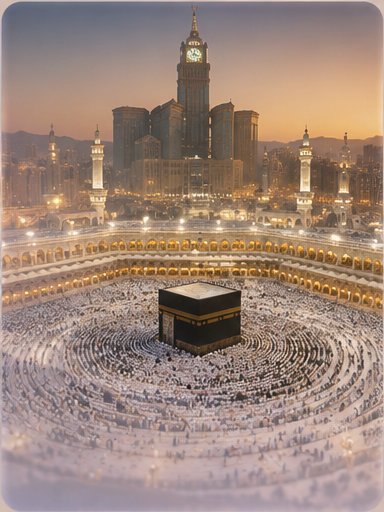
- Guide · Hajj and Umrah RitesDefinition of Hajj, Its Ruling, and the Wisdom Behind Its LegislationIn Arabic, hajj means to intend or set out for something. In Islamic law, it means going to Makkah and the sacred sites to perform particular rites at a prescribed time. The source states that Hajj is an immediate obligation once in a lifetime for a person who meets its conditions and has no impediment; delaying it after the first year in which one is able to perform it is sinful. It cites the Qur’an, the Sunnah, and scholarly consensus as evidence for its obligation.
- Guide · Hajj and Umrah RitesTravel and Its EtiquetteThe source defines travel as covering a distance and gives the commonly cited measure as approximately eighty kilometres (sixteen farsakhs), or a two-day journey at a moderate pace. It notes that the ruling on travel follows its purpose: travel for an obligatory act, such as obligatory Hajj, is obligatory; for a recommended act, such as a voluntary ‘Umrah, it is recommended; for a permissible purpose, it is permissible; for a disliked purpose, disliked; and for a forbidden purpose, forbidden. It also cites the hadith prohibiting a woman from travelling for a day and a night without a mahram.
- Guide · Hajj and Umrah RitesConditions of HajjThe source states that Hajj has five conditions: Islam, sound reason, reaching puberty, freedom, and capability (istita‘ah). It explains that Hajj is not obligatory as a performance from a non-Muslim and would not be valid from him, that the insane and the child are not obligated, and it cites the hadith that the pen is lifted from the sleeper until waking, the child until puberty, and the insane person until regaining reason.